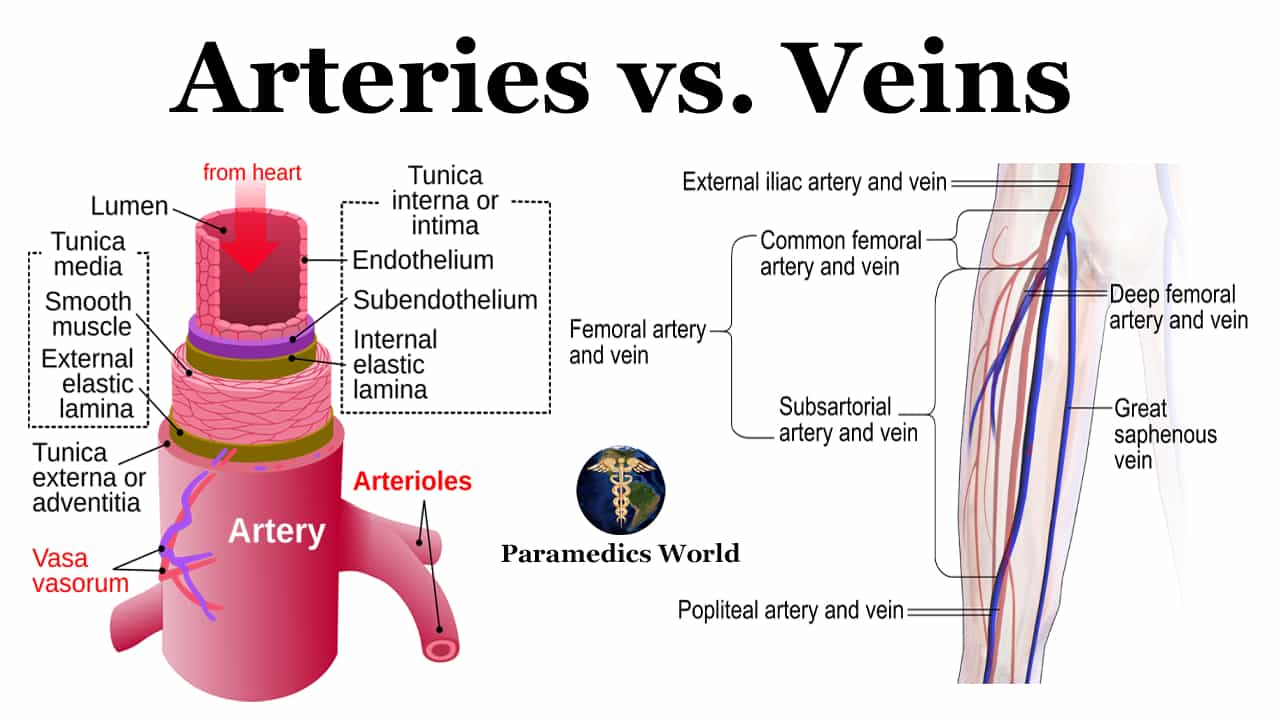
Top 25 Difference between Arteries and Veins
The term artery derived from the Greek word, ἀρτηρία (artēria), meaning windpipe. An artery is a blood vessel that carries the blood from the heart to all parts of the body (tissues, lungs, etc). Almost all the arteries carry oxygenated blood and supply oxygen to various body tissues but the ...
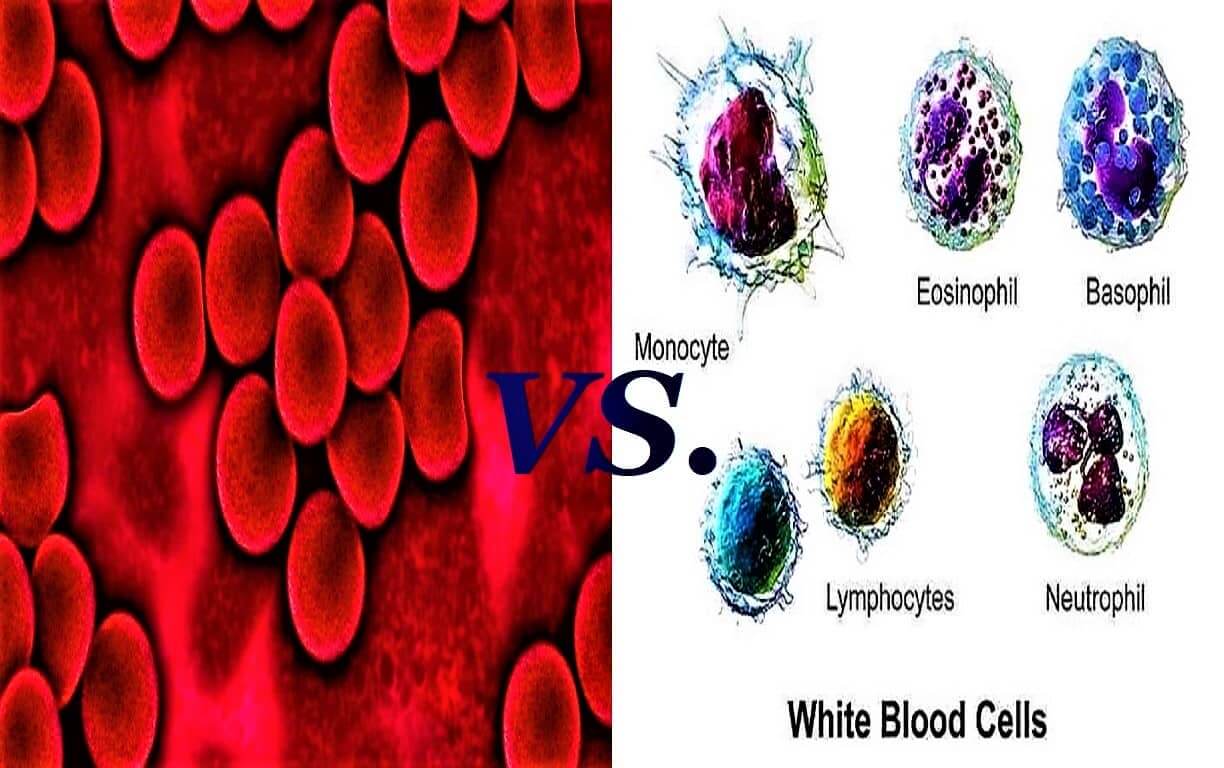
DIFFERENCE BETWEEN RED BLOOD CELLS AND WHITE BLOOD CELLS (RBCs VS. WBCs)
Beside the Platelets, the two most important cellular components present in our Blood are the Red Blood Cells and the White Blood Cells. Often people get easily confused between both the cells with respect to their Structure, Color, and functions. Let’s discuss in brief about both the types of Blood ...
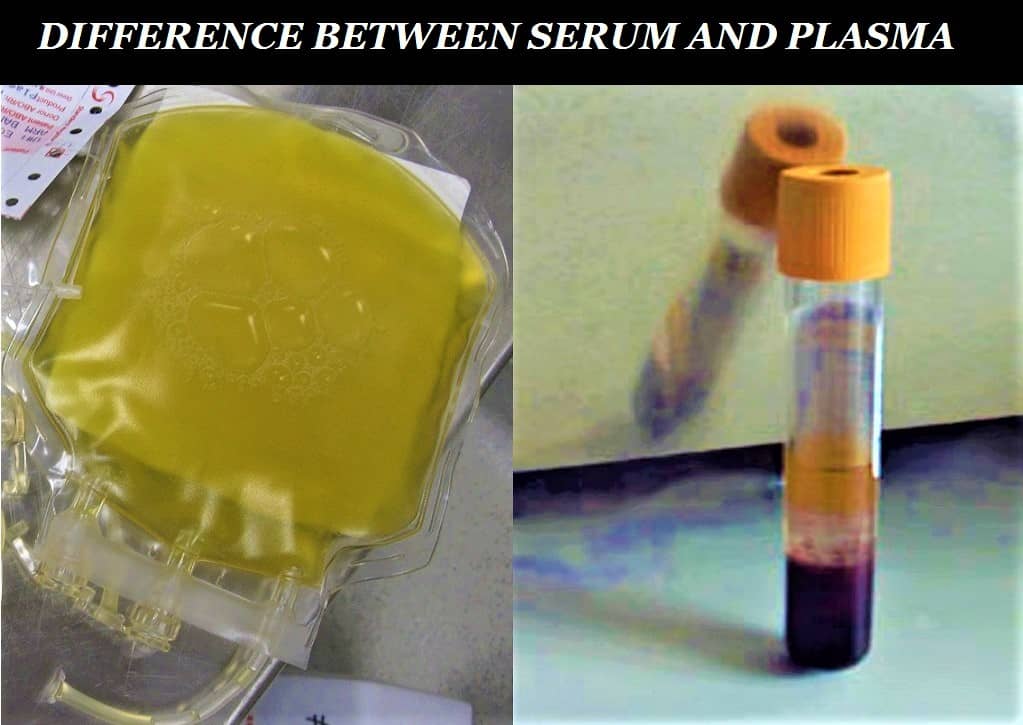
DIFFERENCE BETWEEN SERUM AND PLASMA
The most confusing terms ever made in the Hematology might be the Serum and Plasma which are so frequently used in every assay we perform in the laboratory or whether taking theory lectures, these terms are used everywhere and are not limited to hematology but also frequently used in Biochemistry ...

PREPARATION OF LEISHMAN STAIN IN LABORATORY
PREPARATION OF LEISHMAN STAIN IN LABORATORY Leishman stain is a differential stain that is used to stain the various components of the cells especially the blood cells and it can be used to study the adherence of pathogenic bacteria to the human cells. Leishman stain is a mixture of Methylene ...

PREPARATION OF GIEMSA STAIN IN LABORATORY
Giemsa stain is a differential stain that is used to stain the various components of the cells (blood or Aspirated Fluid) and it can be used to study the adherence of pathogenic bacteria to the human cells. Giemsa stain is a mixture of Azure, Methylene blue, and Eosin dye. It ...
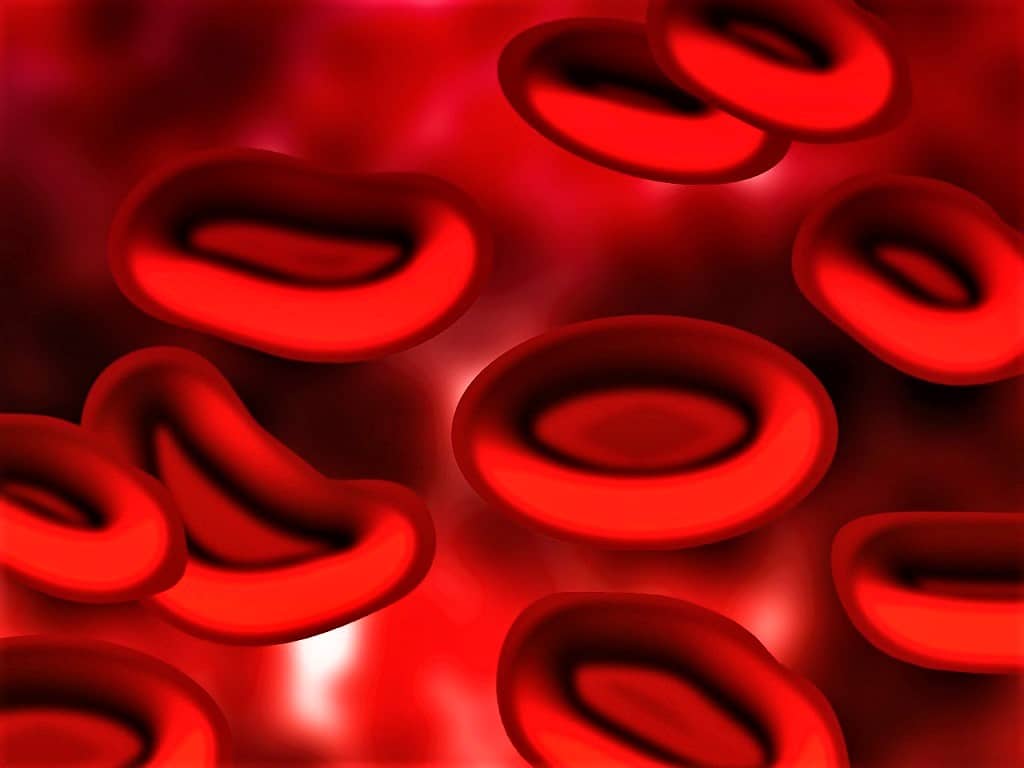
Red Cell Indices – Mean Cell Volume (MCV), Mean Cell Hemoglobin(MCH) & Mean Cell Hemoglobin Concentration (MCHC)
Red cell indices comprise the parameters that reveal the hemoglobin content and physical characteristics of the Red blood cells. The Red cell indices are a part of Complete Blood Count (CBC), which reveals the complete status of various components of the blood in the individual’s body. Let’s briefly learn about ...

ESTIMATION OF HEMOGLOBIN BY SAHLI’s METHOD a.k.a. ACID HEMATIN METHOD – PRINCIPLE, PROCEDURE, NORMAL VALUES, CLINICAL SIGNIFICANCE
INTRODUCTION TO HEMOGLOBIN Hemoglobin (Hb or Hgb) is a red color pigment present in red blood cells (RBCs) comprises Fe2+ and Globin protein. It is Hemoglobin in RBCs that carries the oxygen from the lungs to the tissues and CO2 from body tissues to the lungs for excretion. Hemoglobin (Hb ...

TOTAL PLATELET COUNT USING HEMOCYTOMETER / NEUBAUER’s CHAMBER (MICRO DILUTION & MACRO DILUTION METHOD)
A BRIEF INTRODUCTION TO PLATELETS / THROMBOCYTES The Platelets, also known as Thrombocytes, are the Oval, Round or rod-like cells present in the blood that helps mainly in the clotting of blood. On an average, the size of the Platelets is 2 – 4 µm (microns). The mature Thrombocytes are ...

TOTAL RED BLOOD CELL (RBC) COUNT USING HEMOCYTOMETER / NEUBAUER’s CHAMBER (MICRO DILUTION & MACRO DILUTION METHOD)
A BRIEF INTRODUCTION TO RED BLOOD CELL Red blood cells (RBCs) are the round shape, biconcave discs, present in the blood that helps in the transport of gases throughout the body. The biconcave shape helps the RBCs in rendering the red cells quite flexible so that they can easily pass ...

TOTAL WHITE BLOOD CELL (WBC) COUNT A.K.A TOTAL LEUCOCYTE COUNT (TLC) USING HEMOCYTOMETER / NEUBAUER’s CHAMBER
A BRIEF INTRODUCTION TO WHITE BLOOD CELL White blood cells (WBCs) or Leucocytes are the round shaped, nucleated cells, present in the blood that provides defense against the foreign bodies. There are various types of White Blood Cells are present in blood and classified as Granulocytes (Neutrophils, Eosinophils & Basophils) ...
